
Can Dogs Eat Sweet Potatoes Raw or Cooked? Benefits, Risks & Vet-Approved Guide
✔ Reviewed by Veterinary Care Specialist
This article is based on standard veterinary guidelines and trusted pet health resources. For serious symptoms or concerns, always consult a licensed veterinarian.
This question must have crossed your mind at some point, when you’re eating a sweet potato yourself, and your dog next to you is looking at you with greedy eyes, innocently thinking, “Please let me eat it too.” Then this question must have crossed your mind, can dogs eat sweet potatoes? Are sweet potatoes good for dogs?
As a pet owner, I understand that this question is completely normal, and trust me, you’re not alone. Many people are often confused about this question.
can dogs eat sweet potatoes? The answer is, yes, dogs can eat sweet potatoes. But in reality, just knowing this much is not enough. As a real pet owner, it is important for you to know how much sweet potatoes you can give to your dog? Are cooked sweet potatoes right or raw sweet potatoes.
So in this blogpost, I will clarify are sweet potatoes good for dogs at all or not. If it is good, then how much is safe? Can dogs also eat sweet potato skin, peels or seeds? Benefits, side effects or many more questions that may be in your mind.
Can Dogs Eat Sweet Potatoes?
Yes, dogs can eat sweet potatoes, but only when they’re cooked and served plain.
Cooking breaks down the dense fibers, making sweet potatoes easier on your dog’s digestive system. Raw pieces, on the other hand, can be difficult to chew and may sit heavy in the stomach.
Veterinary nutritionists often point out that simple, whole foods like cooked sweet potato can be a nice supplement to a balanced diet—but not a replacement for complete dog food.
So when people ask:
- can dogs eat sweet potato → yes, in cooked form
- can dogs eat sweet potatoes cooked → yes, and that’s the safest way
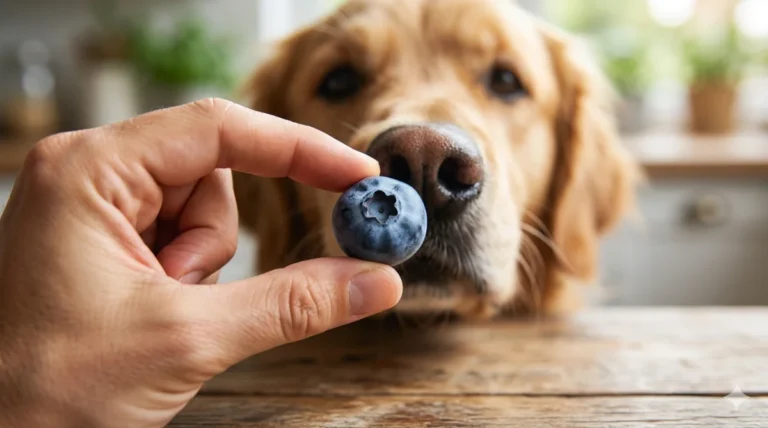
Keep in mind, how you prepare it matters just as much as what you’re feeding. No butter, no salt, no spices—just plain and soft. Like sweet potatoes, some fruits like blueberries provide antioxidants, which support overall health.
Are Sweet Potatoes Good for Dogs?
Yes, sweet potatoes are good for dogs when used in moderation.
They’re naturally rich in dietary fiber, which helps regulate digestion. If your dog has occasional loose stools or mild constipation, a small amount of cooked sweet potato can sometimes help bring things back to normal.
They’re also packed with important nutrients. Vitamin A supports vision and immune health, while vitamin C and B6 play a role in overall body function.
In my experience, dogs that struggle with sensitive stomachs often tolerate sweet potatoes better than many processed treats.
So whether you’re asking are sweet potatoes good for dogs or is sweet potato good for dogs, the answer is yes—with portion control and proper preparation.
Can Dogs Eat Sweet Potatoes Raw or Cooked?
This is where the difference really matters.
Can dogs eat sweet potatoes raw? It’s not recommended. Raw sweet potatoes are firm and fibrous, which makes them harder to break down during digestion. This can lead to gas, discomfort, or even mild blockage in some cases.
There’s also a broader concern pet owners often confuse here. Raw white potatoes can contain compounds like solanine, which are harmful in larger amounts. Sweet potatoes don’t carry the same level of risk, but they’re still not ideal in raw form due to their texture and digestibility.
Can dogs eat cooked sweet potatoes? Yes—and this is the form most vets are comfortable with.
Cooking softens the structure, making nutrients more accessible and the food easier to process in your dog’s gut. Boiling or steaming works best because it keeps things simple and gentle.
So when it comes down to it, cooked always wins here—for safety and for digestion.
Can Dogs Eat Sweet Potato Skin, Peels, or Seeds?
This part needs a bit more attention because not every part of the sweet potato behaves the same way in your dog’s system.
Can dogs eat sweet potato skin?
Yes, but only if it’s thoroughly cleaned and fully cooked. The skin contains extra fiber, which can be helpful in small amounts. But for some dogs—especially those with sensitive stomachs—it can feel a bit heavy. Start small and see how your dog responds.
Can dogs eat sweet potato peels?
Peels fall into the “less is better” category. Even when cooked, too much can lead to digestive upset. If you’re introducing sweet potato for the first time, sticking to the inner flesh is usually the safest option.
Can dogs eat sweet potato seeds?
Sweet potatoes don’t typically have seeds like fruits do. Still, if you notice any hard or unusual parts, it’s best to leave them out. When it comes to your dog’s diet, simple and clean is always the safer route.
In practice, most vets recommend focusing on the soft, cooked portion of the sweet potato and treating skins or peels as optional—only in small amounts and only if your dog tolerates them well.
Can Dogs Eat Sweet Potato Fries, Chips, or Processed Foods?
This is where things often go wrong.
Sweet potatoes themselves are healthy, but once they’re turned into fries, chips, or desserts, they’re no longer dog-friendly. The problem isn’t the sweet potato—it’s everything added to it.
Fries are usually deep-fried and loaded with oil and salt. That combination can irritate your dog’s stomach and, over time, contribute to weight gain or even pancreatitis. Chips are even more processed. They’re high in sodium, often contain additives, and their hard texture isn’t easy on digestion.
Sweet potato pie is another one to avoid. It contains sugar, butter, and spices like nutmeg, which can be toxic to dogs in certain amounts.
So while it might feel harmless to share a bite, these forms are best kept off your dog’s plate. Plain, cooked sweet potato is always the safer option.
Can Dogs Eat Sweet Potatoes Daily or in the Morning?
Sweet potatoes can be part of your dog’s routine—but moderation matters.
Feeding a small amount daily is generally fine for healthy dogs, as long as it doesn’t replace their complete and balanced diet. Think of it more like a topper or occasional add-on rather than a main meal.
Morning feeding is also perfectly okay. In fact, the natural carbohydrates in sweet potatoes provide a steady source of energy, which can be helpful for active dogs starting their day.
Most vets recommend keeping treats, including sweet potatoes, within about 10% of your dog’s daily intake. That way, you avoid overloading their system while still giving them the benefits.
So yes, you can feed it regularly—but keep portions small and balanced.
How Much Sweet Potato Can Dogs Eat Safely?
Portion size is where many pet parents slip up.
Even healthy foods can cause problems when overfed. Too much sweet potato can lead to loose stools, gas, or discomfort, especially if your dog isn’t used to it.
Here’s a simple portion guide based on size:
- Small dogs (under 20 lbs): about 1–2 teaspoons
- Medium dogs (20–50 lbs): about 1–2 tablespoons
- Large dogs (50+ lbs): up to ¼ cup
If you’re dealing with an upset stomach and wondering how much sweet potato can I give my dog for diarrhea, start very small—around 1 teaspoon—and observe. The fiber can help firm up stool, but too much can have the opposite effect.
How to safely feed sweet potato to your dog
Step 1 → Choose fresh sweet potatoes
Pick firm, unspoiled sweet potatoes. Avoid canned versions with added sugar or syrup.
Step 2 → Wash thoroughly
Rinse well to remove dirt or any surface residue, especially if you plan to keep the skin.
Step 3 → Cook until soft
Boil, steam, or bake. Cooking makes it easier to digest and safer overall.
Step 4 → Keep it plain
No salt, butter, oils, or spices. Dogs don’t need added flavorings.
Step 5 → Cut or mash into small portions
This reduces choking risk and helps with digestion.
Step 6 → Introduce slowly
Start with a small amount and watch for any changes in stool or behavior.
Benefits of Sweet Potatoes for Dogs
When used properly, sweet potatoes can do more than just fill your dog up.
One of the biggest advantages is their fiber content. Fiber helps regulate digestion by absorbing water in the intestines, which can firm up loose stool or support regular bowel movements.
They’re also rich in vitamin A, which supports eye health, skin condition, and immune function. Plus, the natural carbohydrates provide a steady source of energy without sudden spikes.
In my experience, adding a small amount of cooked sweet potato can be helpful for dogs recovering from mild digestive issues or those needing a gentle diet boost.
They also pair well with other dog-safe vegetables. For example, can dogs eat sweet potatoes and carrots? Yes—both are safe when cooked and served plain, and together they make a balanced, nutrient-rich mix.
And if you’re wondering is boiled sweet potato good for dogs, it’s actually one of the best ways to serve it—simple, soft, and easy on the stomach.
Risks & Side Effects of Sweet Potatoes for Dogs
Even safe foods can cause issues when not used carefully.
The most common problem is digestive upset. Too much sweet potato can lead to diarrhea, gas, or bloating. This usually happens when portions are too large or introduced too quickly.
There’s also the sugar factor. Sweet potatoes contain natural sugars, and while they’re not harmful in small amounts, overfeeding can contribute to weight gain over time.
Some dogs may also experience a mild laxative effect. So if you’ve ever asked, are sweet potatoes a laxative for dogs, the answer is yes—in larger amounts, they can loosen stool.
Questions like do sweet potatoes upset dogs’ stomachs or what are the side effects of sweet potatoes for dogs usually come down to quantity. When fed in moderation, most dogs tolerate them well. Not all human food is safe—some foods, such as tomatoes (especially unripe) or processed items, can be harmful to dogs.
Sweet Potato vs Other Foods for Dogs
It helps to compare sweet potatoes with other common foods, especially when your dog has specific needs.
Pumpkin is often the go-to choice for digestive issues. It has a slightly different fiber profile that works well for both diarrhea and constipation. That’s why vets frequently recommend it during stomach upsets.
Sweet potatoes, on the other hand, offer more energy along with fiber. They’re a good option for active dogs or as a regular dietary addition in small amounts.
Rice is commonly used for short-term stomach issues because it’s bland and easy to digest. However, it doesn’t provide the same level of nutrients as sweet potatoes.
So when thinking about which is better for dogs pumpkin or sweet potato, it really depends on the situation. For digestion support, pumpkin often comes first. For overall nutrition, sweet potatoes are a strong choice.
And if you’re comparing is sweet potato better than rice for dogs, nutritionally yes—but rice still has its place when a dog needs a very simple, temporary diet.
If you want to add variety, fruits like pineapple can also be given as a treat occasionally.
Conclusion
Sweet potatoes can be a safe and helpful addition to your dog’s diet when used the right way.
Cook them well, keep them plain, and serve in moderation. That’s really the key.
When done right, they support digestion, provide nutrients, and make a simple, wholesome treat your dog can enjoy without risk.
FAQs
Yes, as long as it’s plain and free from added sugar, salt, or spices. Puree form is actually easy to digest.
Yes, in small amounts. Make sure the skin is clean and fully cooked to avoid digestive issues.
It can help firm up stool due to its fiber content—but only in moderate amounts.
There’s no single “best,” but pumpkin, carrots, and sweet potatoes are all widely recommended.
Carrots, green beans, and small amounts of sweet potato can be given regularly as part of a balanced diet.